Roof Replacement Cost in Texas (2026 Guide)
Average cost: $5,500 – $18,000 depending on home size, material, and roof complexity.
The average roof replacement in Texas costs between $5,500 and $18,000, depending on your home size, material choice, and location within the state. Texas homeowners face unique challenges: extreme heat, hail storms, and hurricane-season winds all affect both material selection and pricing. The good news? Texas has a highly competitive roofing market with plenty of contractors, which keeps pricing reasonable compared to coastal states like California or Florida. Most Texas homeowners choose architectural asphalt shingles for the best balance of durability, wind resistance, and affordability — though metal roofing is growing rapidly thanks to its heat-reflective properties and 40+ year lifespan.
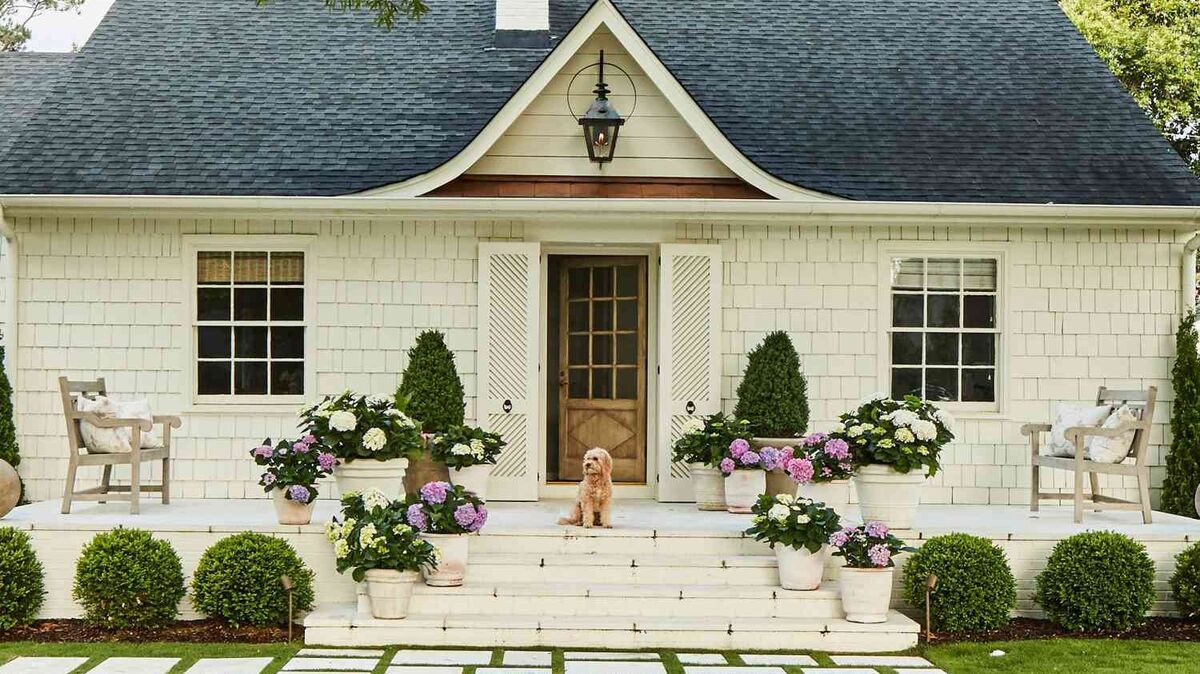
Average Roof Replacement Cost by Home Size in Texas
| Home Size | Low Estimate | Mid Estimate | High Estimate |
|---|---|---|---|
| 1,500 sq ft | $5,500 | $8,500 | $12,000 |
| 2,000 sq ft | $7,000 | $11,000 | $15,500 |
| 2,500 sq ft | $8,500 | $13,500 | $18,500 |
| 3,000 sq ft | $10,000 | $16,000 | $22,000 |
*Estimates based on architectural asphalt shingles with standard installation. Actual costs vary by roof pitch, complexity, and specific contractor.
Roof Replacement Cost by Material in Texas
Impact-resistant (Class 4) shingles are strongly recommended in hail-prone areas like North Texas and the Texas Panhandle.
| Material | Cost per Square* | Notes |
|---|---|---|
| 3-Tab Asphalt Shingles | $350 – $500 | Budget option, 15-20 year lifespan |
| Architectural Asphalt Shingles | $450 – $700 | Most popular in TX, 25-30 year lifespan |
| Metal Roofing (Standing Seam) | $800 – $1400 | Growing in popularity, reflects heat, 40-60 year lifespan |
| Clay/Concrete Tile | $900 – $1800 | Common in South TX, 50+ year lifespan |
| Impact-Resistant Shingles (Class 4) | $500 – $800 | Insurance discounts available, recommended for hail zones |
*One roofing square = 100 sq ft of roof area. A typical 2,000 sq ft home has approximately 22-25 roofing squares.
Don't Overpay in Texas — Compare Real Quotes
Roofing costs vary a lot by contractor. The only way to know your real price is to compare multiple quotes from local pros.
Find Top-Rated Texas RoofersBest Roofing Materials for Texas's Climate
Texas's hot, humid summers with severe storm and hail risk climate means your roofing material choice matters more than in moderate regions. Impact-resistant (Class 4) shingles are strongly recommended in hail-prone areas like North Texas and the Texas Panhandle.
Recommended materials: Architectural asphalt shingles and metal roofing
📋 Texas Roofing Permit Reminder
Most Texas cities require a building permit for roof replacement. Permit costs range from $75-$500 depending on the municipality. Some rural areas have no permit requirements. Always check with the Texas building department before starting your project to avoid fines or delays.
What Affects Roof Costs in Texas?
Climate Considerations
- • Extreme heat (100°F+ summers) accelerates shingle aging and UV degradation
- • Texas leads the nation in hail damage claims — impact-resistant shingles are increasingly required
- • Hurricane-force winds along the Gulf Coast require enhanced wind ratings (130+ mph)
- • Intense UV exposure can shorten roof lifespan by 3-5 years vs. northern states
Local Labor Rates
Labor rates vary significantly across Texas — metro areas like Dallas, Houston, and Austin run 15-25% higher than rural areas. Texas has a competitive roofing market, which can help keep prices in check.
Permit Requirements
Most Texas cities require a building permit for roof replacement. Permit costs range from $75-$500 depending on the municipality. Some rural areas have no permit requirements.
Building Codes
Texas follows the International Residential Code (IRC). Wind speed zones vary: coastal areas require 130+ mph rated materials, while inland areas typically require 90 mph ratings. Many insurers offer discounts for impact-resistant (Class 4) shingles.
What Texas Roofers Won't Always Tell You
Texas is the #1 state in the country for hail damage insurance claims. That single fact shapes almost everything about the roofing industry here — from what materials contractors push, to how they price jobs, to who shows up at your door after a storm.
The Class 4 Shingle Game
Most Texas insurers offer 15–35% premium discounts for Class 4 impact-resistant shingles (UL 2218 rated). Smart homeowners upgrade during an insurance-funded replacement — you only pay the price difference between standard and Class 4 shingles ($2,000–$4,000 more), but you save that amount back in premium reductions within 3–5 years. Ask your insurer about the discount BEFORE signing a contract, and make sure your roofer files the TDI Form PC068 to certify the installation.
Storm Chasers Flood the Market After Every Hail Event
After a major hailstorm, out-of-state "storm chaser" crews descend on Texas neighborhoods within 48–72 hours. They knock doors, offer free inspections, and push you to sign contracts on the spot. Many are unlicensed, uninsured, and will be gone before you notice problems. Red flags: out-of-state plates, no local office, demands for large upfront cash payments, or offers to "waive your deductible" (which is insurance fraud in Texas). Always verify a contractor's Texas license and local presence before signing anything.
Your Roof Is Aging Faster Than You Think
Texas UV exposure is among the most intense in the country. Standard 25-year asphalt shingles typically last only 18–22 years in Texas because the extreme heat (100°F+ for months) and UV radiation break down the asphalt binder and strip granules faster than in northern states. If your roof is 15+ years old and you're seeing bare spots or curling edges, it's time for an inspection — don't wait for a leak.
Insurance Claims Are Getting Harder
Texas insurers have been tightening claim approvals. Many now include "cosmetic damage exclusions" in policies, meaning hail dents that don't cause leaks won't be covered. Before you file a claim, have an independent inspector document functional damage (cracks, missing granules, exposed mat) — not just surface dings. And know this: filing a claim that gets denied still goes on your CLUE report and can affect future premiums.
Roof Costs Vary Widely Across Texas
Roofing costs in Texas can vary significantly depending on your exact location. Homeowners in major metro areas like Dallas, Houston, and Austin often pay more due to higher labor demand, stricter municipal codes, and material delivery logistics. In areas like North Texas and the Gulf Coast, weather conditions — including hail storms and hurricane-force winds — can increase installation complexity and drive up costs for impact-resistant or wind-rated materials. In contrast, rural areas and smaller towns across West Texas, the Hill Country, and East Texas may have lower labor rates and fewer regulatory requirements, which can reduce your total project cost. That's why we show cost ranges instead of a single number. Every roof is different, and the most accurate way to determine your cost is to use our calculator or compare quotes from contractors in your specific ZIP code.
Example Pricing Differences Across Texas
Major metros (Dallas, Houston, Austin, San Antonio)
Higher costs due to strong labor demand, municipal permit requirements, and competitive contractor markets — expect prices 15–25% above state averages
Suburban areas (Plano, Katy, Round Rock, New Braunfels)
Moderate pricing that typically falls near the state mid-range, with costs varying by neighborhood, HOA requirements, and roof complexity
Rural areas (West Texas, East Texas, Panhandle towns)
Lower labor costs and simpler permitting can reduce total project cost by 10–20%, though contractor availability may be more limited
Get Your Exact Local Estimate
Use our free calculator to estimate your roof replacement cost based on your home size, roof pitch, material choice, and location.
Calculate My Roof CostHow It Works
Get Your Estimate
Use our interactive calculator to get a specialized roofing cost estimate based on your home’s size and material needs.
Match with Pros
Through our partnership with Angi, we connect you with top-rated roofing professionals available in your specific zip code.
Compare & Save
Review multiple no-obligation quotes. Homeowners who compare at least three bids save an average of $2,000–$5,000.
Frequently Asked Questions
Disclosure: We are a professional review and comparison site. When you click our links to partners like Angi, we may receive a commission at no additional cost to you.
Get Free Quotes from Local Roofing Pros
Compare estimates, warranties, and timelines from contractors in your area. 100% free and no obligation.
100% Free Service
No hidden fees for homeowners.
Local Matching
We connect you with contractors in your ZIP code area.
Better Pricing
Comparing bids can save you 15-25% on your total project cost.