How to Hire a Roofer Without Getting Ripped Off (2026 Guide)
Updated for 2026 • Expert-reviewed • Homeowner-focused
Need a professional opinion? Get free quotes from local roofing pros
Compare Free Roofing QuotesRoofing is one of the most complaint-heavy trades in the home improvement industry. The barrier to entry is low, the work is hard to inspect from the ground, and homeowners typically buy a roof once or twice in their lifetime — which means most people have zero frame of reference for what a good contractor looks like. This guide gives you the exact process experienced property managers and insurance adjusters use to vet roofers, so you can protect yourself from scams, shoddy work, and inflated bids.
Step 1: Verify Licensing and Insurance Before Anything Else
This is non-negotiable. Every state has different licensing requirements for roofing contractors — some require a state license, others require a city or county license, and a handful have almost no licensing requirements at all. Regardless of your state, demand proof of the following before any contractor sets foot on your roof:
- General liability insurance — minimum $1 million per occurrence. This protects YOUR property if the crew damages something. Ask for a Certificate of Insurance (COI) and call the insurance company to verify it is current.
- Workers' compensation insurance — if a worker falls off your roof and the contractor doesn't carry workers' comp, YOU can be held liable. This is not hypothetical — it happens.
- State or local contractor license — look up the license number on your state's licensing board website. Verify it is active, not expired or suspended.
- If a contractor hesitates to provide any of these documents, that tells you everything you need to know. Move on immediately.
Step 2: Check Their Track Record the Right Way
Online reviews are helpful but easily manipulated. A 4.8-star rating with 15 reviews could be fabricated. Instead, dig deeper:
- Check your state's Better Business Bureau for complaint history — the BBB rating matters less than the pattern of complaints
- Search "[company name] complaints" and "[company name] lawsuit" — you will find real issues that don't show up on review sites
- Ask the contractor for 3 references from jobs completed 2–3 years ago, not last month. You want to know how the roof is holding up, not how charming the salesperson was.
- Drive by those reference addresses if they are local. Look at the roof from the street. Are the lines straight? Do the shingles lay flat? Is the flashing visible and clean?
- Check if they are a manufacturer-certified installer (GAF Master Elite, Owens Corning Platinum, CertainTeed SELECT ShingleMaster). Only 2–5% of roofers earn these certifications, and they unlock the best warranty coverage for you.
Step 3: Get 3 Bids and Compare Them Properly
Getting multiple bids is standard advice, but most homeowners don't know how to compare them. Price alone is a terrible comparison metric. Here is what to actually compare across bids:
- Material brand and product line — there is a real difference between builder-grade 3-tab shingles and architectural shingles like GAF Timberline HDZ. Make sure all bids specify the exact product.
- Underlayment type — synthetic underlayment (like GAF FeltBuster or CertainTeed DiamondDeck) outperforms 15-lb felt paper significantly. Some contractors use cheap felt to pad margins.
- Ice and water shield coverage — code requires it in valleys and at eaves in cold climates, but better contractors run it 3–6 feet up from the eave and around all penetrations.
- Flashing details — are they replacing step flashing, counter flashing, pipe boots, and drip edge? Or reusing old flashing? Old flashing is the #1 cause of leaks on new roofs.
- Ventilation plan — proper intake (soffit vents) and exhaust (ridge vent) are critical to shingle lifespan. A roof with bad ventilation voids most manufacturer warranties.
- Decking inspection and repair terms — the bid should specify what happens if they find rotten decking. Good contractors include the first 1–2 sheets at no extra charge and have a clear per-sheet rate after that.
- Cleanup and haul-away — who is responsible for the dumpster, magnetic nail sweep, and landscape protection?
Step 4: Recognize the Red Flags
After decades of homeowner complaints, the warning signs of a bad roofer are well documented. Walk away if you encounter any of these:
- Knocking on your door after a storm — legitimate contractors are booked solid after storms. Door-knockers are often out-of-state "storm chasers" who do fast, sloppy work and disappear before you discover problems.
- Demanding a large deposit upfront — 10–15% or the cost of materials is reasonable. Anything over 30% or a demand for cash is a red flag.
- No written contract or vague scope of work — if the bid is handwritten on a napkin or says "reroof house, $8,000," run.
- Pressure to sign today — "This price is only good today" is a high-pressure sales tactic. A legitimate contractor's pricing doesn't change overnight.
- Offering to waive your insurance deductible — this is insurance fraud. It is illegal in most states, and it puts YOU at legal risk.
- No physical business address — a PO Box or virtual office is a yellow flag. Verify they have a real place of business.
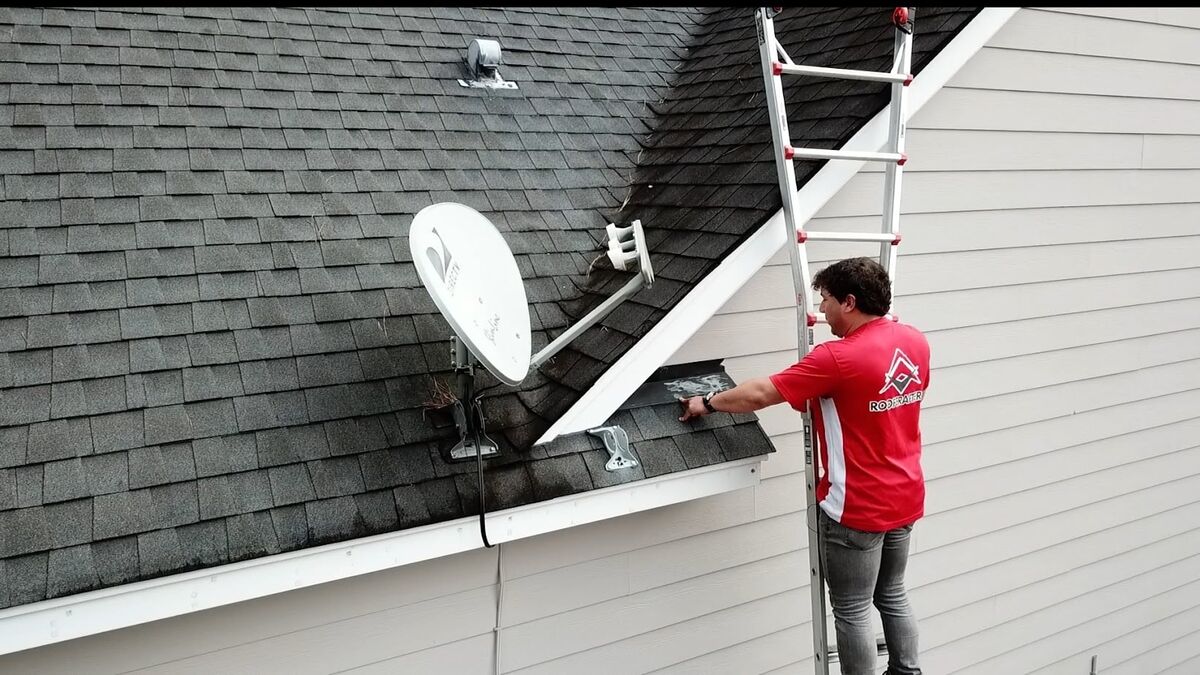
- Unbranded vehicles and no uniforms — professional crews have branded trucks, shirts, and equipment. This isn't about aesthetics — it signals investment in their business.
Step 5: Understand the Contract Before You Sign
A proper roofing contract should be 2–4 pages minimum and include every detail of the job. Don't sign anything that doesn't include:
- Complete scope of work — materials, quantities, and installation specifications
- Start date and estimated completion date
- Payment schedule — tied to milestones (e.g., 10% at signing, 40% at material delivery, 50% at completion)
- Warranty information — both manufacturer warranty and workmanship warranty, with duration and what's covered
- Permit responsibility — the contractor should pull all necessary building permits. If they suggest skipping permits to save money, that is a dealbreaker.
- Change order process — how are unexpected costs (rotten decking, structural issues) handled? There should be a clear per-unit rate and a process for approval before work proceeds.
- Lien waiver clause — protects you from subcontractor or supplier liens if the contractor doesn't pay their bills
What to Expect on Installation Day
Knowing what a professional installation looks like helps you spot problems early. A quality crew will protect your landscaping with tarps, set up a dumpster in your driveway (not on the lawn), strip the old roof down to decking, inspect every inch of decking for rot or damage, install underlayment before any shingles go on, and work methodically from bottom to top. The job foreman should walk you through any issues they find and get your approval before proceeding with repairs. At the end of each day, the site should be cleaned and tarps secured over any exposed areas.
Ready to Get Real Quotes?
Compare Free Roofing Quotes Near YouKey Takeaways
- Verify license, liability insurance ($1M+), and workers' comp before any contractor touches your roof
- Check references from 2–3 year old jobs, not recent ones — you want to see how the roof held up
- Compare bids on materials, flashing, ventilation, and decking terms — not just total price
- Never hire a storm chaser who knocks on your door, demands cash, or offers to waive your deductible
- Read every line of the contract — insist on written scope, payment milestones, warranty terms, and permits
Frequently Asked Questions
Get Free Quotes from Local Roofing Pros
Compare estimates, warranties, and timelines from contractors in your area. 100% free and no obligation.
100% Free Service
No hidden fees for homeowners.
Local Matching
We connect you with contractors in your ZIP code area.
Better Pricing
Comparing bids can save you 15-25% on your total project cost.