Roof Replacement Cost in Florida (2026 Guide)
Average cost: $7,000 – $22,000 depending on home size, material, and roof complexity.
Roof replacement in Florida costs between $7,000 and $22,000 for most homes, making it one of the more expensive states for roofing. Florida's strict building codes — the toughest in the nation — require hurricane-rated materials and specialized installation, which drives costs higher. The trade-off? Florida roofs built to code withstand major storms that would destroy roofs in other states. Most Florida homeowners choose architectural asphalt shingles with high wind ratings, though metal roofing and concrete tile are extremely popular, especially in South Florida. If you're filing an insurance claim after storm damage, your insurer will typically cover replacement to current code standards.
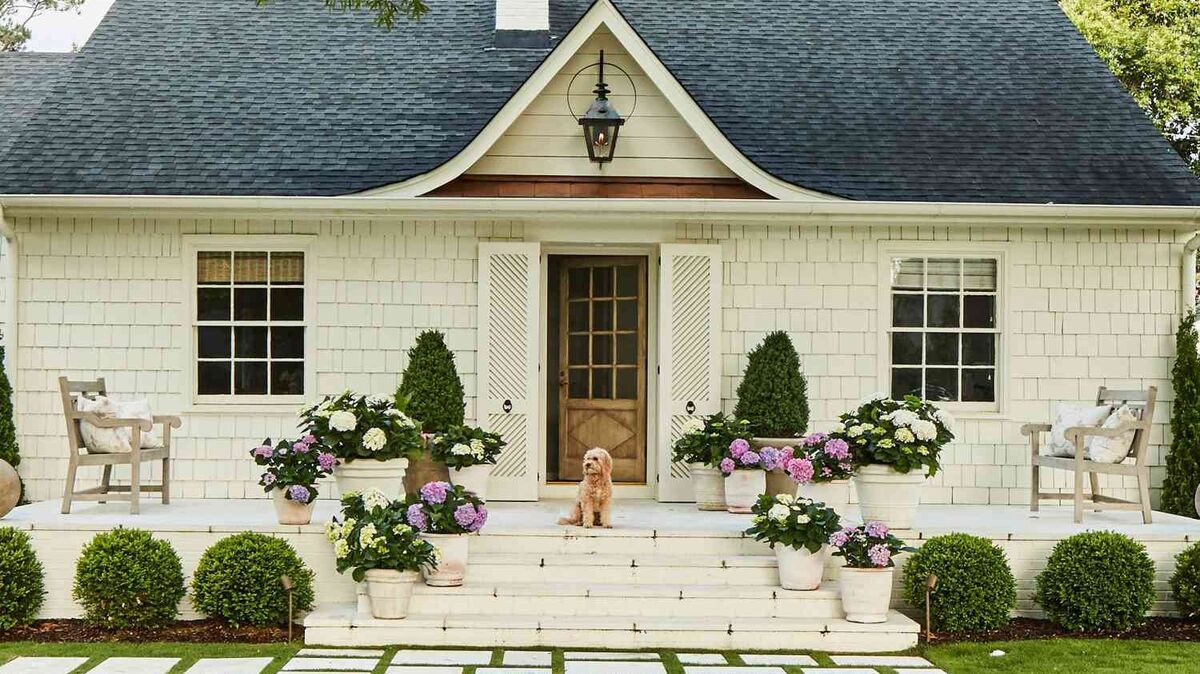
Average Roof Replacement Cost by Home Size in Florida
| Home Size | Low Estimate | Mid Estimate | High Estimate |
|---|---|---|---|
| 1,500 sq ft | $7,000 | $11,000 | $15,000 |
| 2,000 sq ft | $9,000 | $14,000 | $19,000 |
| 2,500 sq ft | $11,000 | $17,000 | $23,000 |
| 3,000 sq ft | $13,000 | $20,000 | $27,000 |
*Estimates based on architectural asphalt shingles with standard installation. Actual costs vary by roof pitch, complexity, and specific contractor.
Roof Replacement Cost by Material in Florida
All materials must meet Florida Building Code wind resistance standards. Impact-rated products are recommended statewide and required in HVHZ zones.
| Material | Cost per Square* | Notes |
|---|---|---|
| 3-Tab Asphalt Shingles | $400 – $600 | Least expensive, 15-20 year lifespan, must be wind-rated |
| Architectural Asphalt Shingles | $550 – $850 | Most popular, 25-30 year lifespan, high wind ratings available |
| Metal Roofing (Standing Seam) | $900 – $1600 | Excellent wind resistance, 40-60 year lifespan, very popular in FL |
| Concrete Tile | $800 – $1600 | Extremely common in South FL, 50+ year lifespan |
| Clay Tile | $1000 – $2200 | Premium option, 75+ year lifespan, common in Mediterranean-style homes |
*One roofing square = 100 sq ft of roof area. A typical 2,000 sq ft home has approximately 22-25 roofing squares.
Don't Overpay in Florida — Compare Real Quotes
Roofing costs vary a lot by contractor. The only way to know your real price is to compare multiple quotes from local pros.
Find Top-Rated Florida RoofersBest Roofing Materials for Florida's Climate
Florida's tropical/subtropical with major hurricane risk climate means your roofing material choice matters more than in moderate regions. All materials must meet Florida Building Code wind resistance standards. Impact-rated products are recommended statewide and required in HVHZ zones.
Recommended materials: Metal roofing and concrete tile
📋 Florida Roofing Permit Reminder
Florida requires building permits for all roof replacements. Permit costs range from $200-$800. Inspections are mandatory, including a final inspection after completion. Always check with the Florida building department before starting your project to avoid fines or delays.
What Affects Roof Costs in Florida?
Climate Considerations
- • Hurricane-force winds require specialized installation techniques and materials rated for 150+ mph
- • High humidity promotes mold and algae growth on roofing materials
- • Intense UV and salt air (coastal areas) accelerate material degradation
- • Heavy rainfall demands superior waterproofing and drainage systems
Local Labor Rates
Florida labor rates are 15-25% above the national average due to hurricane demand, insurance requirements, and strict building code compliance. After major storms, contractor demand spikes and prices can increase 20-40%.
Permit Requirements
Florida requires building permits for all roof replacements. Permit costs range from $200-$800. Inspections are mandatory, including a final inspection after completion.
Building Codes
Florida has the strictest building codes in the nation (Florida Building Code, FBC). All roofing must meet enhanced wind resistance standards. High-Velocity Hurricane Zones (HVHZ) like Miami-Dade require product approvals and specialized fastening.
The Reality of Roofing in Florida
Florida roofing is a completely different business than the rest of the country. Almost every residential roof replacement goes through insurance — and the recent legislative changes have made that process significantly harder for homeowners. Here's what you need to know that most websites won't tell you.
Almost Every Roof Job Goes Through Insurance
Unlike most states where homeowners pay out-of-pocket for roof replacements, the vast majority of Florida residential roofing jobs are insurance claims triggered by storm damage. This fundamentally changes the sales process: Florida roofers are essentially insurance negotiation specialists first and roofers second. If your roofer doesn't understand the claims process inside and out, you're going to leave money on the table — or get stuck with a denied claim.
The Insurance Landscape Has Completely Changed
Florida passed sweeping insurance reform in 2022–2025 that eliminated Assignment of Benefits (AOB) agreements, imposed strict 1-year filing deadlines, and allows insurers to pay for repairs instead of full replacement if your roof meets 2007 building code. Citizens Insurance now sends checks directly to homeowners, not contractors. This means YOU are responsible for managing the claim, coordinating inspections, and ensuring you get fair payment. Document everything with timestamped photos immediately after any storm.
The 15-Year Roof Rule Can Kill Your Coverage
Florida insurers can now non-renew your policy if your roof is over 15 years old — regardless of its actual condition. The only way to keep coverage is to get a certified roof inspection proving at least 5 years of remaining useful life. If you have a roof approaching 15 years, get that inspection done NOW, before your renewal date. Some homeowners are being forced into Florida's insurer of last resort (Citizens) at significantly higher premiums because they waited too long.
Material Theft Is a Real Problem on Florida Job Sites
Construction site theft is rampant in Florida — roofing materials (shingles, rolls, metal panels) are frequently stolen from job sites overnight or on weekends. This is one reason Florida roofing costs are higher: contractors build theft losses into their pricing, and project delays from stolen materials push timelines out. Reputable contractors schedule deliveries for when crews are on-site and use GPS tracking on high-value materials. If a contractor's quote seems unusually low, ask how they handle material security.
Florida Building Code Is the Strictest in the Nation
The silver lining: Florida's strict building codes (FBC) mean that a properly installed Florida roof is among the most hurricane-resistant in the country. In Miami-Dade's High-Velocity Hurricane Zone, roofing products must pass product approval testing that exceeds any other U.S. jurisdiction. If you're getting a new roof, this is actually an advantage — you're getting a significantly more durable installation than homeowners in states with weaker codes.
Roof Costs Vary Widely Across Florida
Roofing costs in Florida can vary significantly depending on your exact location. Homeowners in South Florida metro areas like Miami, Fort Lauderdale, and West Palm Beach often pay premium prices due to the state's strictest hurricane building codes (the High Velocity Hurricane Zone), higher labor costs, and mandatory wind-mitigation requirements. Along the Gulf Coast and in Central Florida, costs are moderate but still influenced by hurricane-season demands and tropical storm exposure. In contrast, North Florida and the Panhandle may see somewhat lower labor rates, though wind and storm requirements still apply statewide. That's why we show cost ranges instead of a single number. Every roof is different, and the most accurate way to determine your cost is to use our calculator or compare quotes from contractors in your specific ZIP code.
Example Pricing Differences Across Florida
South Florida metros (Miami, Fort Lauderdale, West Palm Beach)
Highest costs in the state due to HVHZ building code requirements, mandatory wind-mitigation inspections, and elevated labor demand — expect 20–35% above state averages
Central Florida & Gulf Coast (Orlando, Tampa, Jacksonville)
Moderate pricing near the state mid-range, with costs influenced by hurricane code compliance, contractor availability, and seasonal demand spikes after storm events
North Florida & Panhandle (Tallahassee, Pensacola, Gainesville)
Lower labor costs and less extreme hurricane code requirements can reduce total project cost by 10–15%, though wind-rated materials are still standard across the state
Get Your Exact Local Estimate
Use our free calculator to estimate your roof replacement cost based on your home size, roof pitch, material choice, and location.
Calculate My Roof CostHow It Works
Get Your Estimate
Use our interactive calculator to get a specialized roofing cost estimate based on your home’s size and material needs.
Match with Pros
Through our partnership with Angi, we connect you with top-rated roofing professionals available in your specific zip code.
Compare & Save
Review multiple no-obligation quotes. Homeowners who compare at least three bids save an average of $2,000–$5,000.
Frequently Asked Questions
Disclosure: We are a professional review and comparison site. When you click our links to partners like Angi, we may receive a commission at no additional cost to you.
Get Free Quotes from Local Roofing Pros
Compare estimates, warranties, and timelines from contractors in your area. 100% free and no obligation.
100% Free Service
No hidden fees for homeowners.
Local Matching
We connect you with contractors in your ZIP code area.
Better Pricing
Comparing bids can save you 15-25% on your total project cost.