Does Insurance Cover Roof Replacement? (2026 Guide)
Updated for 2026 • Expert-reviewed • Homeowner-focused
Need a professional opinion? Get free quotes from local roofing pros
Compare Free Roofing QuotesHomeowner's insurance covers roof replacement in many situations — but the rules, limitations, and claim process can be confusing. Whether your roof was damaged by hail, wind, fire, or a fallen tree, understanding your policy before filing a claim is critical. This guide explains exactly what insurance covers, what it does not, and how to maximize your claim payout while avoiding common pitfalls.
What Insurance Typically Covers
Standard homeowner's insurance (HO-3 policies) covers sudden, accidental damage to your roof from "named perils." The key word is sudden — gradual deterioration is never covered.
- Hail damage — the most common roof insurance claim in the US
- Wind damage — including hurricanes, tornadoes, and severe thunderstorms
- Fire and lightning strikes
- Falling objects (trees, branches, debris)
- Weight of ice, snow, or sleet (in applicable climates)
- Vandalism or malicious mischief
What Insurance Does NOT Cover
Understanding exclusions is just as important as understanding coverage. These situations will not be covered by a standard policy:
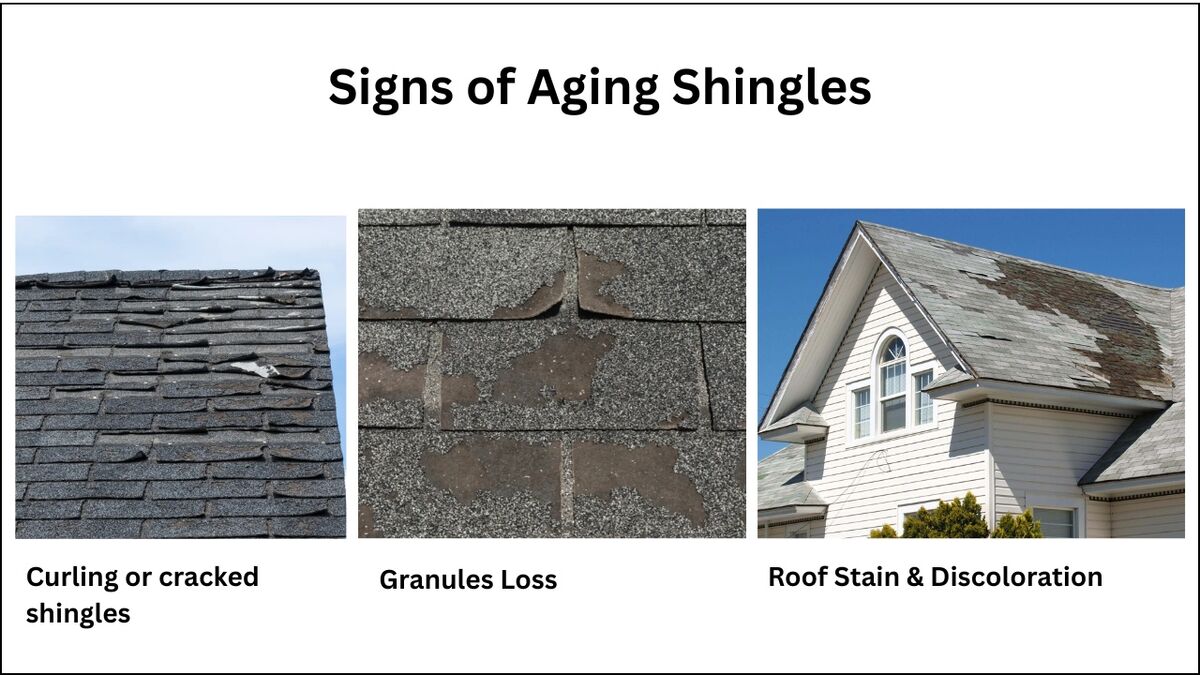
- Normal wear and tear or aging — a roof that failed due to age is not covered
- Poor maintenance — if you neglected repairs that led to bigger damage
- Manufacturing defects — these fall under manufacturer warranty, not insurance
- Gradual leaks — slow water damage over time is considered a maintenance issue
- Cosmetic damage — some policies exclude dents or marks that do not affect function
- Flood damage — requires separate flood insurance (NFIP or private)
- Earthquake damage — requires separate earthquake insurance
RCV vs. ACV: Policy Types Matter
The biggest factor in your claim payout is whether your policy provides Replacement Cost Value (RCV) or Actual Cash Value (ACV) coverage for the roof.
- RCV (Replacement Cost Value): Pays the full cost to replace your roof with similar materials, regardless of age. This is the better coverage. Example: A 15-year-old roof destroyed by hail? RCV pays for a brand-new roof.
- ACV (Actual Cash Value): Pays replacement cost minus depreciation. The older your roof, the less you receive. Example: A 15-year-old shingle roof with a 25-year lifespan? ACV deducts 60% for depreciation — you might receive only 40% of replacement cost.
- Many insurers are switching older roofs (15–20+ years) to ACV-only coverage, even if the rest of the policy is RCV. Check your declarations page.
- Some states (like Florida) have passed laws limiting insurers' ability to deny or depreciate roof claims, but these protections vary widely.
The Roof Insurance Claim Process
Filing a successful roof insurance claim requires documentation, patience, and knowing your rights. Here is the step-by-step process:
- 1. Document the damage immediately — photos, video, and notes of the date/time of the event
- 2. Make temporary repairs to prevent further damage (save receipts — insurance covers this)
- 3. File the claim with your insurance company promptly
- 4. The insurance company sends an adjuster to inspect the damage (usually within 1–2 weeks)
- 5. Review the adjuster's report carefully — compare it to contractor estimates
- 6. If the payout seems low, request a re-inspection or file a supplement with additional evidence
- 7. Once approved, receive the initial payment (minus deductible and any recoverable depreciation)
- 8. After the work is completed, submit the final invoice to recover any withheld depreciation (RCV policies)
How to Maximize Your Insurance Payout
Getting the most from your insurance claim is about preparation and persistence:
- Get your own inspection from a reputable roofing contractor before the adjuster visits
- Be present during the adjuster's inspection — or have your contractor present
- If the initial estimate is low, file a supplement with your contractor's detailed estimate and photos
- Consider hiring a public adjuster for large claims ($10,000+) — they work on your behalf for 5–15% of the payout
- Keep all receipts for temporary repairs — these are reimbursable
- Know your rights — you have the right to choose your own contractor, regardless of what the insurance company suggests
Red Flags: Avoiding Roofing Scams
After major storms, unscrupulous contractors ("storm chasers") go door-to-door offering to inspect roofs and "work with your insurance." While some are legitimate, many are not. Watch out for these red flags:
- Offering to waive your deductible — this is insurance fraud
- Pressuring you to sign a contract immediately — legitimate contractors give you time
- No local address, license, or references
- Asking for a large deposit (more than 30%) before work begins
- Claiming they can "guarantee" insurance approval
- Using pressure tactics like "this offer expires today"
Ready to Get Real Quotes?
Compare Free Roofing Quotes Near YouKey Takeaways
- Insurance covers sudden damage (hail, wind, fire, fallen trees) but NOT wear and tear or poor maintenance
- RCV policies pay for full replacement; ACV policies deduct depreciation — check your policy type
- Document damage immediately with photos, video, and notes before making any repairs
- You have the right to choose your own contractor and file supplements if the initial payout is too low
- Be wary of storm chasers offering to waive your deductible or pressuring you to sign immediately
Frequently Asked Questions
Get Free Quotes from Local Roofing Pros
Compare estimates, warranties, and timelines from contractors in your area. 100% free and no obligation.
100% Free Service
No hidden fees for homeowners.
Local Matching
We connect you with contractors in your ZIP code area.
Better Pricing
Comparing bids can save you 15-25% on your total project cost.